Start Exploring Keyword Ideas
Use Serpstat to find the best keywords for your website
Why E-commerce Localization Matters And How It Can Benefit Your Business


E-commerce is one of the most competitive spaces online, and reaching customers across borders is no longer optional — it's a growth strategy. The fastest way to unlock that growth is through ecommerce localization: adapting your online store, content, and experience to each market you enter.
Whether you run a custom-built shop or you're exploring Shopify localization for a multi-market rollout, the principles are the same — meet customers in their language, currency, and cultural context. In this guide, we'll cover what website localization really involves, where ecommerce translation fits in, and how to avoid the common pitfalls.
Whether you run a custom-built shop or you're exploring Shopify localization for a multi-market rollout, the principles are the same — meet customers in their language, currency, and cultural context. In this guide, we'll cover what website localization really involves, where ecommerce translation fits in, and how to avoid the common pitfalls.
Contents
Why does your e-commerce website need localization?
Let's first define what localization is. Localization is the adaptation of content and experience to a specific market. The main goal is to make your store feel as local as possible — not foreign with a translated layer on top.
Website localization is much more than just translation. It's about thinking outside the box: researching regional specifics, analyzing local marketing channels, and paying attention to time zones, currencies, and data formats. Ecommerce website translation is one part of the process — localization is the whole.
E-commerce websites need localization if you plan to conquer foreign markets. The majority of online shoppers prefer content in their native language when buying online. That means giving your clients access to a properly localized version of your website isn't a nice-to-have — it's the baseline expectation.
Website localization is much more than just translation. It's about thinking outside the box: researching regional specifics, analyzing local marketing channels, and paying attention to time zones, currencies, and data formats. Ecommerce website translation is one part of the process — localization is the whole.
E-commerce websites need localization if you plan to conquer foreign markets. The majority of online shoppers prefer content in their native language when buying online. That means giving your clients access to a properly localized version of your website isn't a nice-to-have — it's the baseline expectation.
A short guide to e-commerce localization
If you're having trouble deciding where to begin your e-commerce localization, we've got you covered. Follow these steps, and your localized store will be ready for each new market you enter.
Market research
The first step in any localization project, and a crucial one, is market research. Before entering terra incognita, gather information about the foreign market. Consider learning more about these things:
Your buying persona
Relevant target audience
Cultural and seasonal preferences
Legal regulations
Popular payment methods
Competitors
General clients' expectations.
Market research saves you from the mistakes you'd otherwise make when entering a new market — and it's an essential step before you commit budget and translator hours to a full localization project.
For the competitor research stage, Serpstat can help. Go to Website Analysis → SEO research → Competitors. Here you can find domains that rank for similar keywords in search results in the locales you want to enter.
For the competitor research stage, Serpstat can help. Go to Website Analysis → SEO research → Competitors. Here you can find domains that rank for similar keywords in search results in the locales you want to enter.
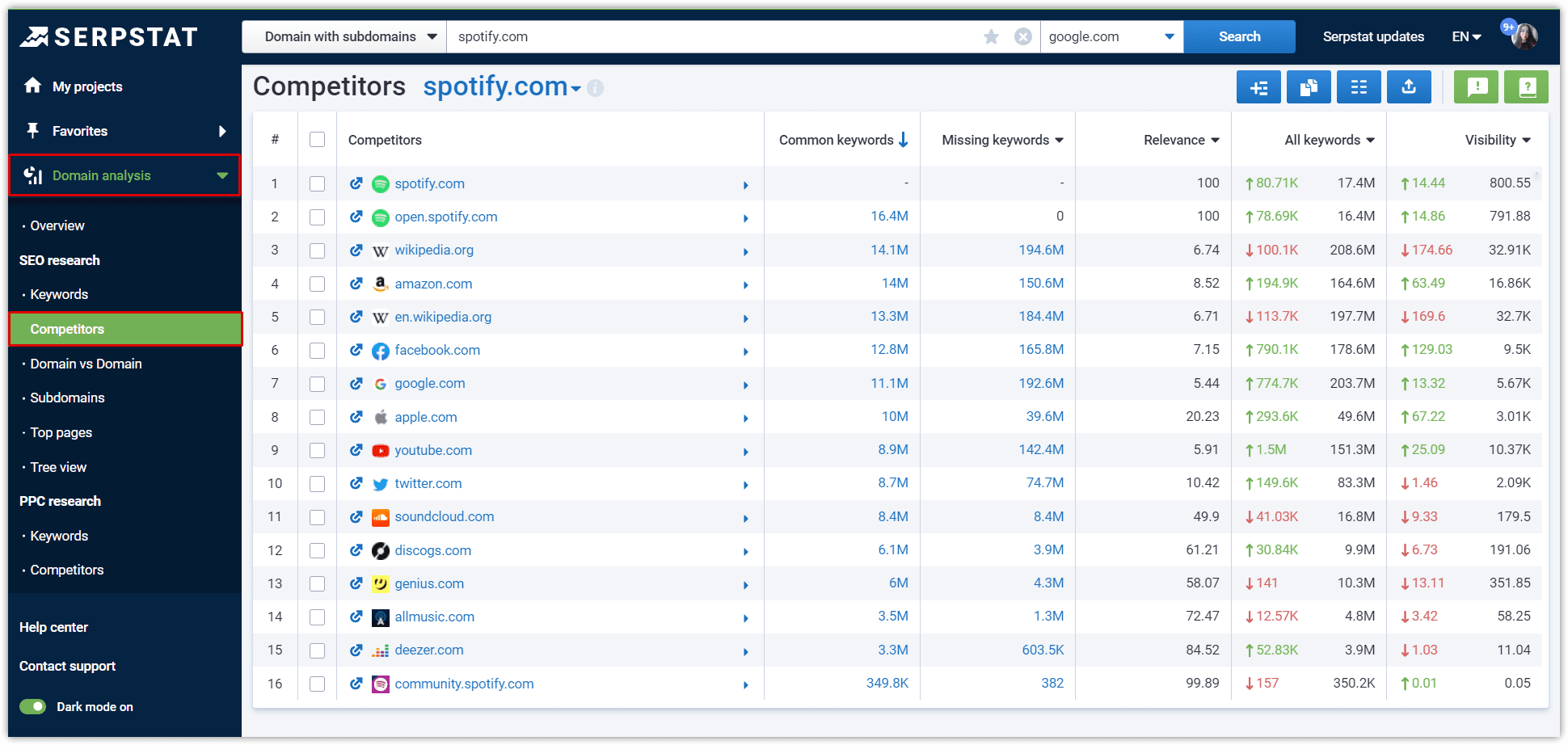
You can download all the data from the table, with results filtered and tracked across different search engines and regions.
Adapting products
After doing your research, think like a local and consider what products need to be altered to meet the new market's needs. Product adaptation is a quiet but critical part of e-commerce localization — without it, even perfect translation won't save the sale.
For example, if you're selling clothes in the USA and Japan, you might need to introduce smaller sizes for the Japanese market. Or, if you're selling electronic gadgets, make sure that your power cords fit the region's electrical outlets.
For example, if you're selling clothes in the USA and Japan, you might need to introduce smaller sizes for the Japanese market. Or, if you're selling electronic gadgets, make sure that your power cords fit the region's electrical outlets.
Content translation
Once you're sure your products are suitable for the foreign market, you can start ecommerce translation. If you need to translate into several languages, consider using a localization and translation agency or dedicated ecommerce localization services rather than handling it ad hoc.
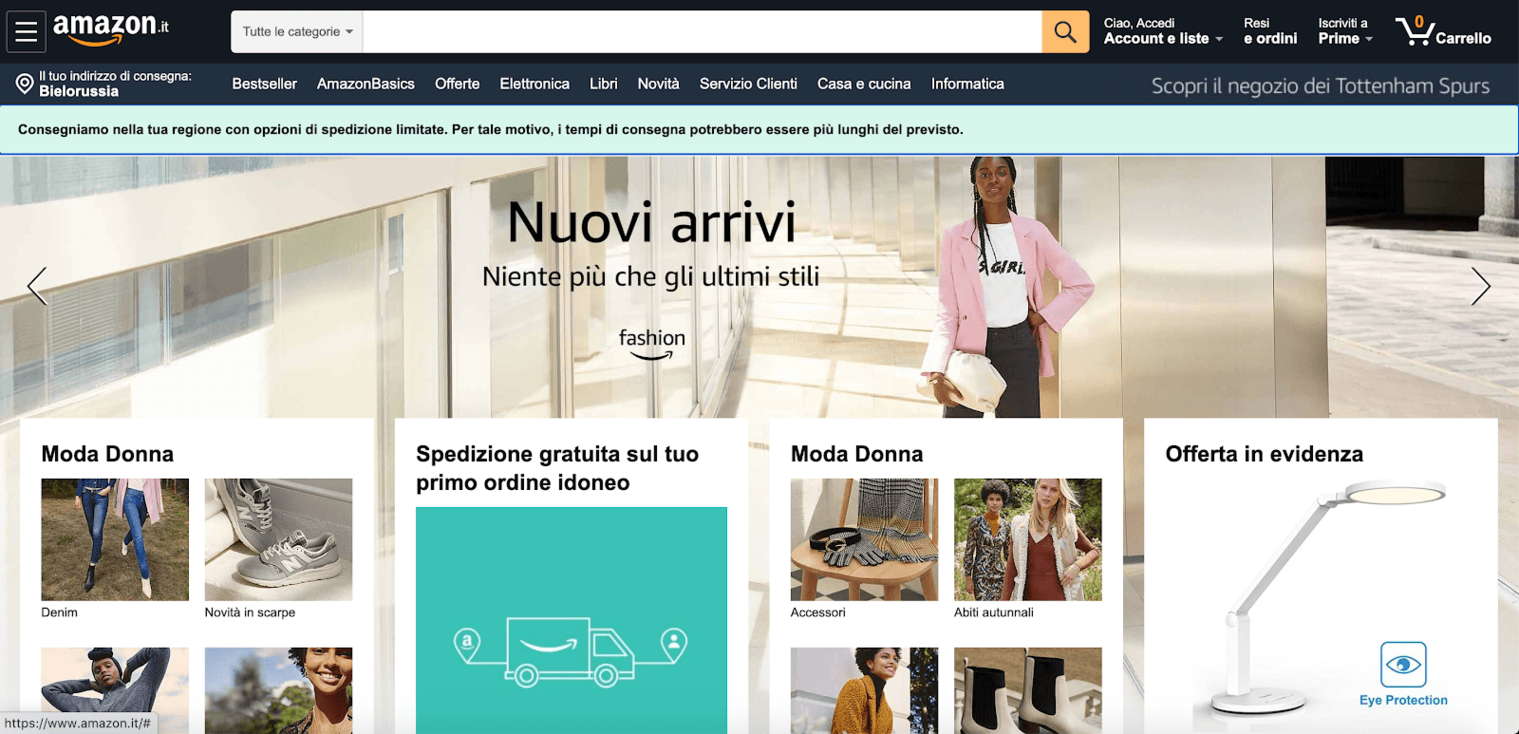
Amazon is a strong example of ecommerce website translation done thoroughly. Content for each language version is fully translated into the local language, so the Italian version of Amazon, for instance, reads natively to Italian shoppers.
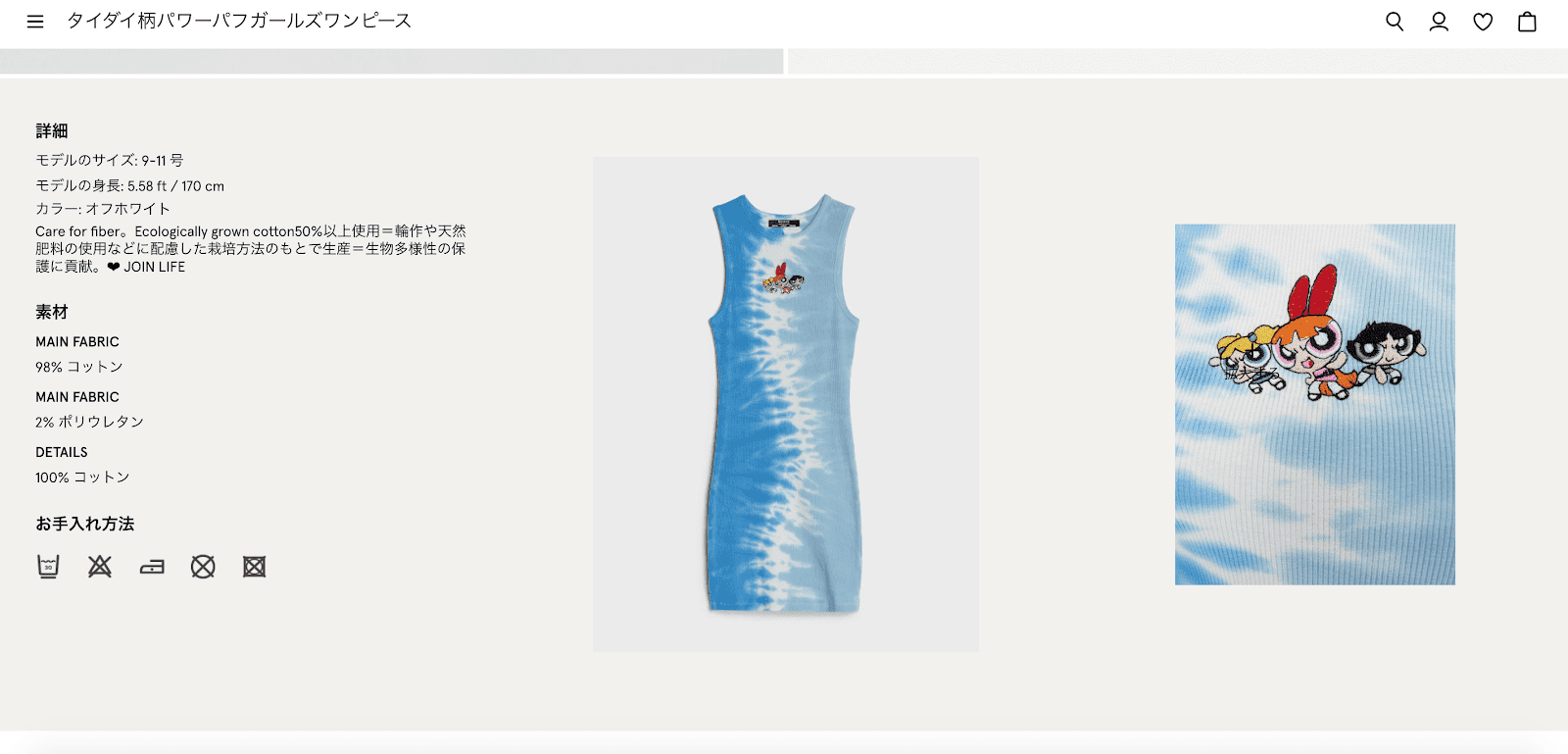
Conversely, some e-commerce websites don't translate all their texts. Even if shoppers can guess at the overall meaning, untranslated fragments break the native user experience. In the example below, you can see that not all the texts were translated into Japanese.
Here's a tip: treat translation and localization as continuous processes, not a one-off project. Consider a translation management system, such as Crowdin, that stores all your localized documents in one place, holds glossaries of your terms, and manages multilingual content. This matters especially for Shopify localization and other platform-based stores where product catalogs change weekly.
E-commerce website translation requires constant content updates — new product information, price changes, seasonal collections. For ongoing micro-updates, a service such as Nitro lets you translate as little as one word, so you can update content without waiting days for a full translation cycle.
E-commerce website translation requires constant content updates — new product information, price changes, seasonal collections. For ongoing micro-updates, a service such as Nitro lets you translate as little as one word, so you can update content without waiting days for a full translation cycle.
Local SEO
Website localization doesn't stop at translation — you also need to adapt your SEO. Research relevant keywords for each locale, see what keywords your competitors rank for, add your local phone number and address, and locate your business on Google Maps or the popular regional map service. Don't forget to optimize URLs and meta descriptions for the new locales, too.
Serpstat's Local SEO tool allows you to manage your business' listings in various local directories from a single interface and sync information in just a click.
You don't have to waste your time editing your business profile in all directories separately – just put the information in Local SEO and it will be updated in all directories automatically. Moreover, the tool allows you to reply to reviews, and post news in directories.
You don't have to waste your time editing your business profile in all directories separately – just put the information in Local SEO and it will be updated in all directories automatically. Moreover, the tool allows you to reply to reviews, and post news in directories.
Currency, payments, and shipping optimization
Currencies and payment methods differ from one region to the next, and currency symbols need to switch with them for the country where you sell.
Think about introducing new payment methods when entering new markets. Konbini, for instance, is widely used in Japan, while in France it's a good idea to support Carte Bancaire.
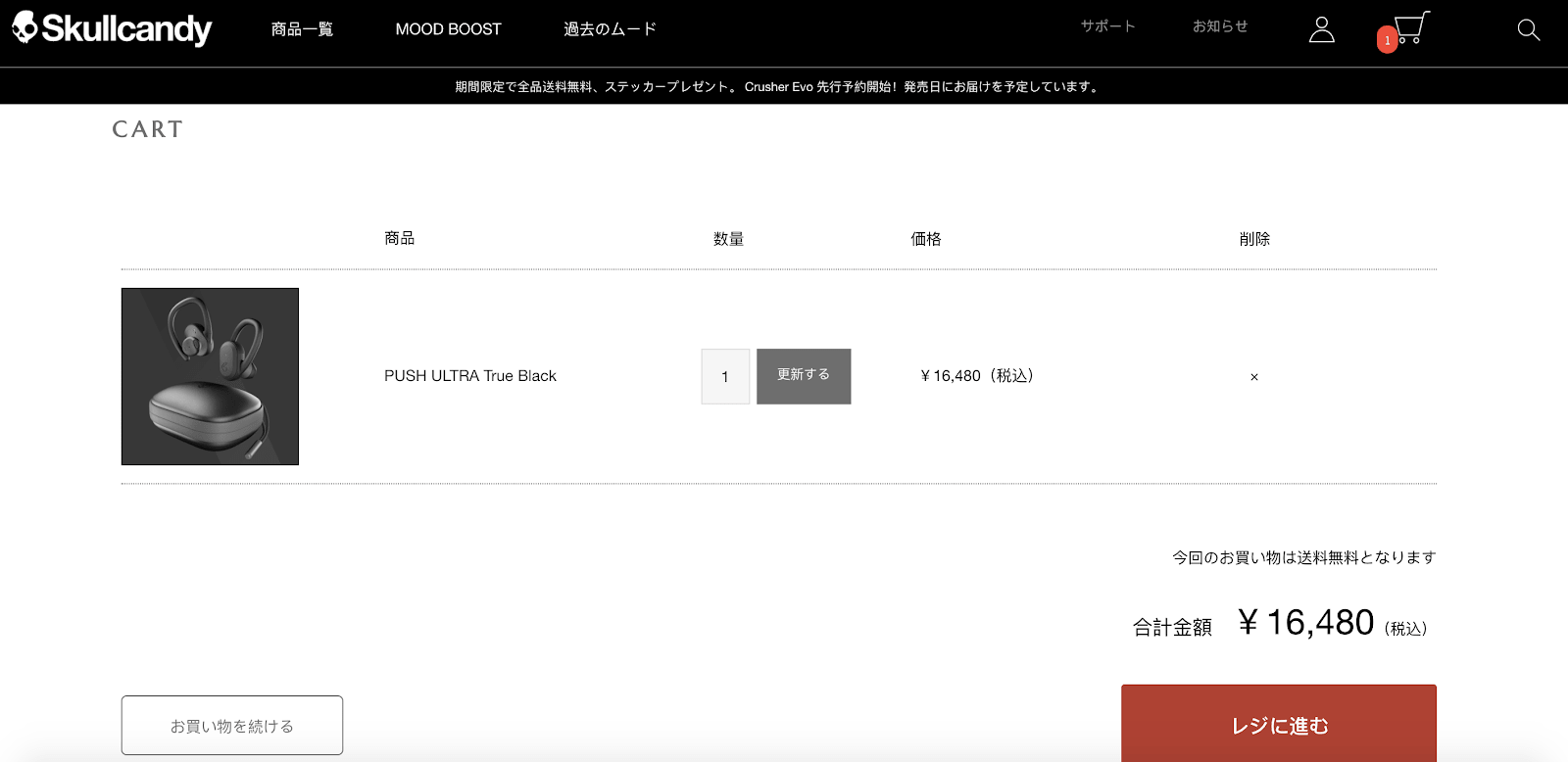
Here, Skullcandy fully localized its cart and changed the currency into Japanese yen for the Japanese locale.
Think about introducing new payment methods when entering new markets. Konbini, for instance, is widely used in Japan, while in France it's a good idea to support Carte Bancaire.
Here, Skullcandy fully localized its cart and changed the currency into Japanese yen for the Japanese locale.
Local support team
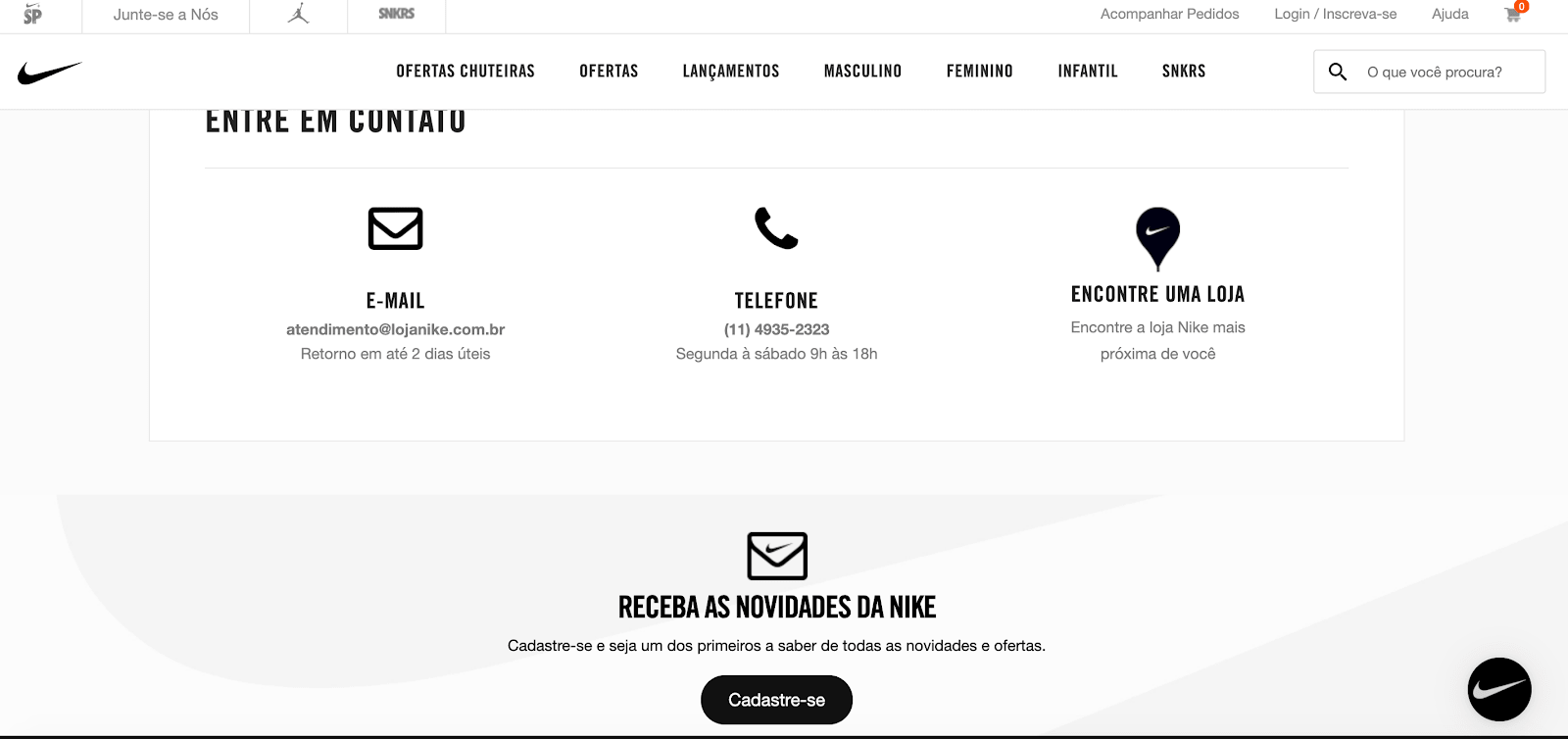
Customer support is the final link in the localization chain. Hire a local support team if you can, or set up a separate email for each region and bring on a native freelancer to answer questions. A local phone number makes your support center even more responsive. In the picture below, every part of the e-commerce website has been translated — and Nike didn't forget about localizing its customer service either.
Challenges in e-commerce localization
Localization is not a one-day task. It takes an investment of time and human resources.
Part of the challenge is the nature of e-commerce itself — content changes constantly, so localization has to keep pace.
Drawing on Alconost's experience with ecommerce localization services, here are the factors that consistently make or break a project:
Part of the challenge is the nature of e-commerce itself — content changes constantly, so localization has to keep pace.
Drawing on Alconost's experience with ecommerce localization services, here are the factors that consistently make or break a project:
Currency, time, and data formats. Pay attention to the formats used in various regions — for example, replace $ with € if you're entering the European market.
Choose a suitable translation management platform. You'll likely deal with many files and texts, so you need a platform to manage them. In the case of 2Checkout, Alconost used Crowdin as an all-in-one platform.
Attentive work with XML files. The final translated file must be checked to ensure the code structure doesn't change and that resource files convert properly between your CRM and the translation platform. Keep in mind there are various file formats — XML, JSON, CSV — so consistency across documentation matters to avoid integration and migration issues.
Check UX/UI. Word and sentence length vary between languages — German words are often longer than English ones, so make sure translations fit button sizes and the website format.
Localize images and photos. Images on the website need to look local — use photos of models that look authentic for the region, and make sure all text within images is translated.
Sentence structure. Write simple sentences — sentence length and word count vary drastically across languages, and grammatical features like declension can change word length significantly.
Keyword research. Often underestimated, but essential to make a localized e-commerce website actually work for you in each market.
A quick case study
As one of the major localization agencies, Alconost shares its experience working with e-commerce clients. One example is 2Checkout, an online payment processing service that works with e-commerce clients adding a payment system to their site. As part of its offering, 2Checkout helps clients with content localization for their stores.
2Checkout turned to the Alconost team for professional localization services. Working through the project, Alconost addressed the typical e-commerce localization pitfalls along the way.
In particular, the localization team paid close attention to UX/UI. Even when the client didn't request a check of the original texts, the translators reviewed all the details on the original, native-language website.
2Checkout turned to the Alconost team for professional localization services. Working through the project, Alconost addressed the typical e-commerce localization pitfalls along the way.
In particular, the localization team paid close attention to UX/UI. Even when the client didn't request a check of the original texts, the translators reviewed all the details on the original, native-language website.
In the case of 2Checkout, Alconost suggested a more easily translatable version of the original text on the client's website to improve the entire user experience and website interface. That cleaned-up source text was then used as a framework for other language locales.
Original text: "No Surprises — We will email you about upcoming renewals and confirm that your license has been renewed 30,7 and 3 days before the renewal and confirm that your license has been renewed if you do not opt out."
Alconost's enhanced reduced version: "No surprises — We will email you about upcoming renewals 30,7 and 3 days before the renewal and confirm that your license has been renewed if you do not opt out."
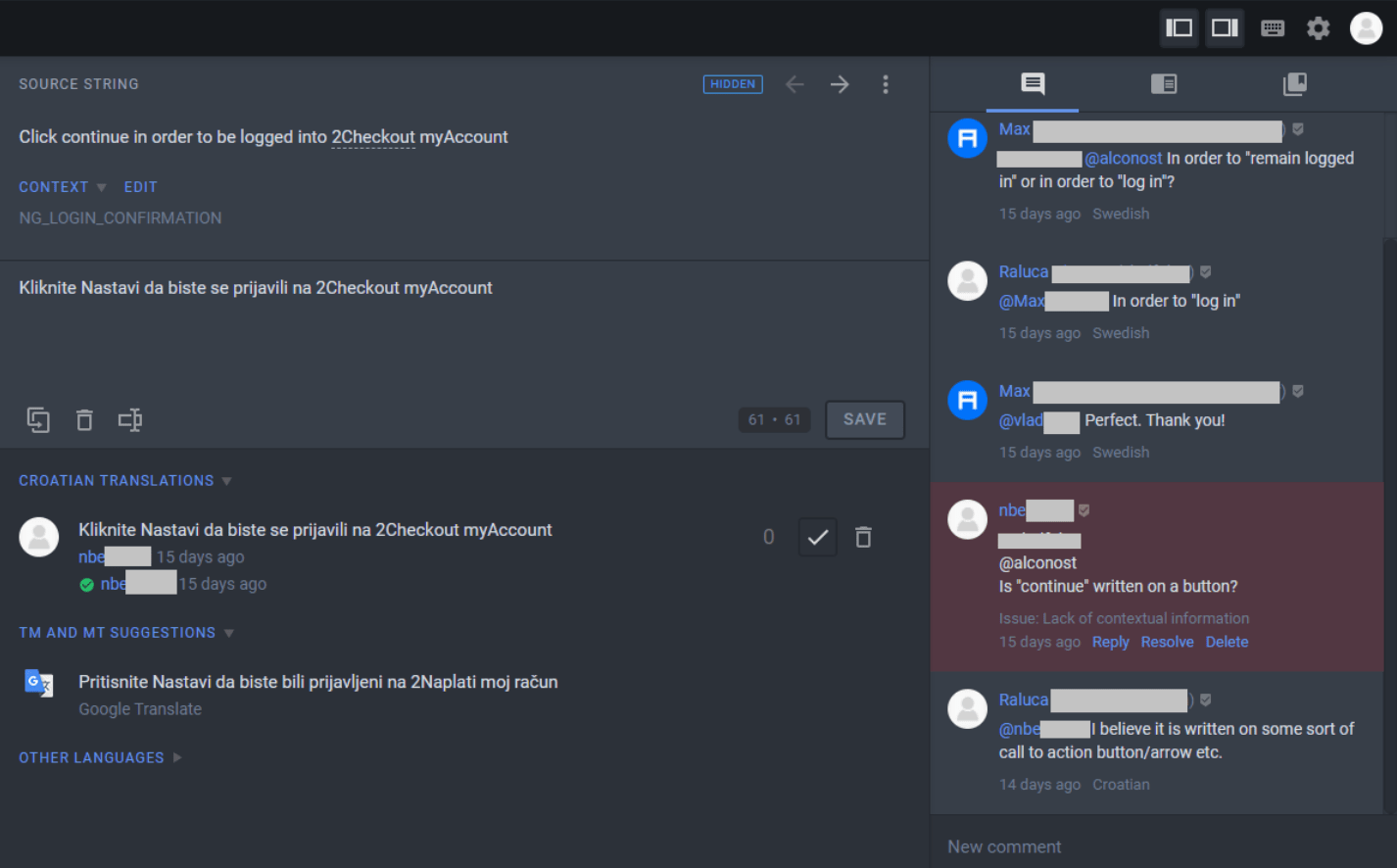
The Crowdin platform helped simplify the translation tasks and streamline communication with translators, letting 2Checkout maintain a hands-on approach to managing the translation flow.
In the screenshot, you can see how Alconost's managers requested clarification to ensure full accuracy of the translated and localized texts.
Original text: "No Surprises — We will email you about upcoming renewals and confirm that your license has been renewed 30,7 and 3 days before the renewal and confirm that your license has been renewed if you do not opt out."
Alconost's enhanced reduced version: "No surprises — We will email you about upcoming renewals 30,7 and 3 days before the renewal and confirm that your license has been renewed if you do not opt out."
The Crowdin platform helped simplify the translation tasks and streamline communication with translators, letting 2Checkout maintain a hands-on approach to managing the translation flow.
In the screenshot, you can see how Alconost's managers requested clarification to ensure full accuracy of the translated and localized texts.
Bottom line
E-commerce localization takes time and human resources to do properly — but it pays off in the markets you couldn't reach otherwise.
Whether you're working with ecommerce localization services, building out a Shopify localization rollout, or coordinating ecommerce website translation in-house, treat it as a structured project: thorough research, a clear plan, and continuous updates. The result opens up a world of new horizons for your e-commerce business. Use our keyword research and analysis and Local SEO tools to support the SEO side of your localization.
Whether you're working with ecommerce localization services, building out a Shopify localization rollout, or coordinating ecommerce website translation in-house, treat it as a structured project: thorough research, a clear plan, and continuous updates. The result opens up a world of new horizons for your e-commerce business. Use our keyword research and analysis and Local SEO tools to support the SEO side of your localization.
To keep track of all the news from the Serpstat blog, subscribe to our newsletter. And also join our group on Facebook and follow our X.
Found an error? Select it and press Ctrl + Enter to tell us
Discover More SEO Tools
Backlink Cheсker
Backlinks checking for any site. Increase the power of your backlink profile
API for SEO
Search big data and get results using SEO API
Competitor Website Analytics
Complete analysis of competitors' websites for SEO and PPC
Keyword Rank Checker
Google Keyword Rankings Checker - gain valuable insights into your website's search engine rankings
Recommended posts
Cases, life hacks, researches, and useful articles
Don’t you have time to follow the news? No worries! Our editor will choose articles that will definitely help you with your work. Join our cozy community :)
By clicking the button, you agree to our privacy policy.