SEO for Brand Awareness: How Search Builds Brand Visibility


This is why a modern SEO strategy should support brand awareness, brand demand, and long-term visibility across search results, AI answers, and industry conversations.
Updated in 2026: SEO is no longer only about ranking for non-branded keywords. It also helps people discover, remember, compare, and trust your company before they are ready to buy.
A strong brand does not automatically rank because it is famous. But recognizable brands often have signals that support SEO performance: branded searches, stronger CTR, trusted backlinks, third-party mentions, reviews, repeat visits, and higher recognition in search results.
That is why modern SEO for brand awareness should combine keyword research, content strategy, technical optimization, brand mentions, backlinks, and reputation signals. The goal is not only to win rankings, but to become the brand people remember, search for, and choose.
What is SEO branding?
SEO branding is the process of using search visibility, content, technical optimization, backlinks, brand mentions, and SERP reputation to make a company easier to discover and trust online.
Instead of treating SEO as a channel for isolated keyword rankings, brand SEO connects non-branded demand with branded demand. People may first discover you through an informational query, compare you through review and alternative pages, and later search for your brand directly.
This is especially important now because users discover brands across traditional search results, video results, review platforms, AI Overviews, and LLM-generated answers. Your brand should be consistent and recognizable across all of these touchpoints.
Why brand awareness matters for SEO
Brand awareness affects how people behave in search. When users recognize a brand in the SERP, they are more likely to trust the result, click it, compare it, return to it, or search for it directly later.
This matters because SEO is not only about appearing once in front of a user. It is about becoming a familiar option across the full buying journey. Strong brands also tend to attract signals that support organic growth: mentions in industry publications, backlinks from relevant websites, user-generated discussions, reviews, social proof, and repeat branded searches.
For smaller companies, this does not mean competing with global brands on reputation alone. It means building recognizable expertise in a specific niche, category, or use case.
The role of content in SEO brand building
Content helps a brand become recognizable when it answers real audience questions consistently. Blog posts, landing pages, research reports, comparison pages, glossaries, videos, and case studies can all support brand awareness when they are built around search intent and a clear brand point of view.
The strongest SEO content does more than include keywords. It shows expertise, solves a specific problem, gives users a reason to remember the brand, and connects naturally to the next step: trying a tool, reading a case study, comparing options, or subscribing to updates.
For brand SEO, content should cover three layers: discovery queries, where users do not know your brand yet; evaluation queries, where users compare options; and branded queries, where users already remember your company.
Building your brand in 5 crucial steps
Make a statement with visuals and UX
How Serpstat and LLM Brand Monitor help
Serpstat helps connect SEO data with brand-building decisions. Use it to research non-branded keywords, analyze competitors, find top-performing pages, monitor rankings, evaluate backlinks, and track whether branded and non-branded visibility grows over time.
For AI visibility, use LLM Brand Monitor to check how AI systems describe your brand, products, competitors, and category. This adds another layer to brand SEO: not only whether you rank in search, but whether AI assistants mention your company accurately and in the right context.
Together, SEO analytics and AI brand monitoring help answer a practical question: are users and AI systems discovering your brand for the topics you want to own?
Focus on engaging storytelling
- Compelling enough to capture the ever-diminishing attention spans of the modern audience
- Relevant to your brand as well as your demographic and able to provide concrete information that offers true value
- Able to tell an engaging story that will keep the reader interested, ultimately transforming your visitors into lifelong brand followers and paying customers
- Offering real value and a comprehensive solution to their problems
- Optimized for search engines in order to put your website on the proverbial map.
Create content with SEO in mind
To achieve this, you want to pick your niche keywords and tailor content around them for maximum effect. This directly ties into the fact that you need to pick your ideal niche, and build up your brand to become the leading authority in that niche. You can now find the relevant long tail keywords and create informative content with a unique tone of voice people will immediately associate with your brand.
Not only will this give you exposure, but it will also create a distinguishing brand identity the global audience is bound to know and love.
Diversify your content pool
Consider the following content types for your online presence and SEO strategy:
- Creative brand videos
- Explainer videos
- Promotional videos
- Informative infographics
- Engaging images
- Informative podcasts
- Live events and quizzes.
Dominate the social media game
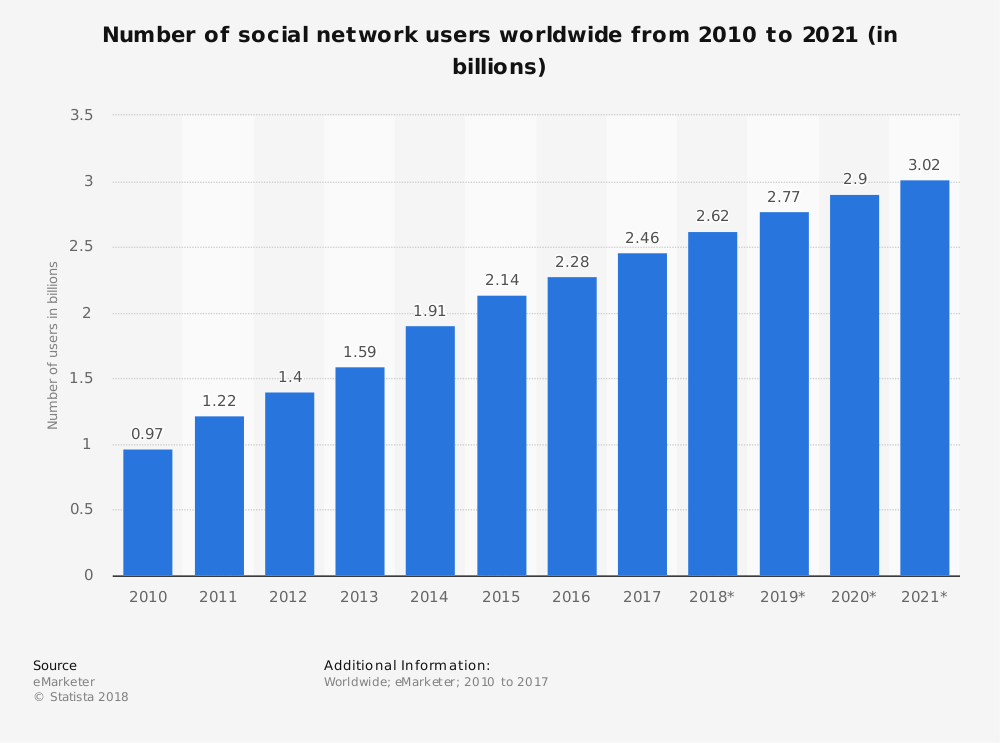
- Finding SM channels where the bulk of your audience resides
- Making your brand's visuals stand out across all platforms
- Making a detailed posting schedule that's tailored to the platform and the audience
- Using SM toolkits for businesses to better target your demographic
- Posting regularly to keep engagement levels high
- Incentivizing your audience to share your content
- Inviting your audience to find out more through a strong CTA message with every post.
Start by targeting the right mix of non-branded, branded, and category keywords. Then use content, technical SEO, backlinks, brand mentions, and AI visibility tracking to make your brand easier to discover and trust across the full search journey.
Speed up your search marketing growth with Serpstat!
Keyword and backlink opportunities, competitors' online strategy, daily rankings and SEO-related issues.
A pack of tools for reducing your time on SEO tasks.

Discover More SEO Tools
Backlink Cheсker
Backlinks checking for any site. Increase the power of your backlink profile
API for SEO
Search big data and get results using SEO API
Competitor Website Analytics
Complete analysis of competitors' websites for SEO and PPC
Keyword Rank Checker
Google Keyword Rankings Checker - gain valuable insights into your website's search engine rankings
Recommended posts
Cases, life hacks, researches, and useful articles
Don’t you have time to follow the news? No worries! Our editor will choose articles that will definitely help you with your work. Join our cozy community :)
By clicking the button, you agree to our privacy policy.